What are dangerous goods?
Dangerous goods is a collective term for substances and objects that have such dangerous properties that they can cause damage to people, the environment or property if they are not handled correctly during transport.
Classification
Dangerous goods are classified according to the criteria in the UN Model Regulations, which divide dangerous goods into different classes depending on their hazard characteristics.
| Class | Explanation |
|---|---|
| 1 |
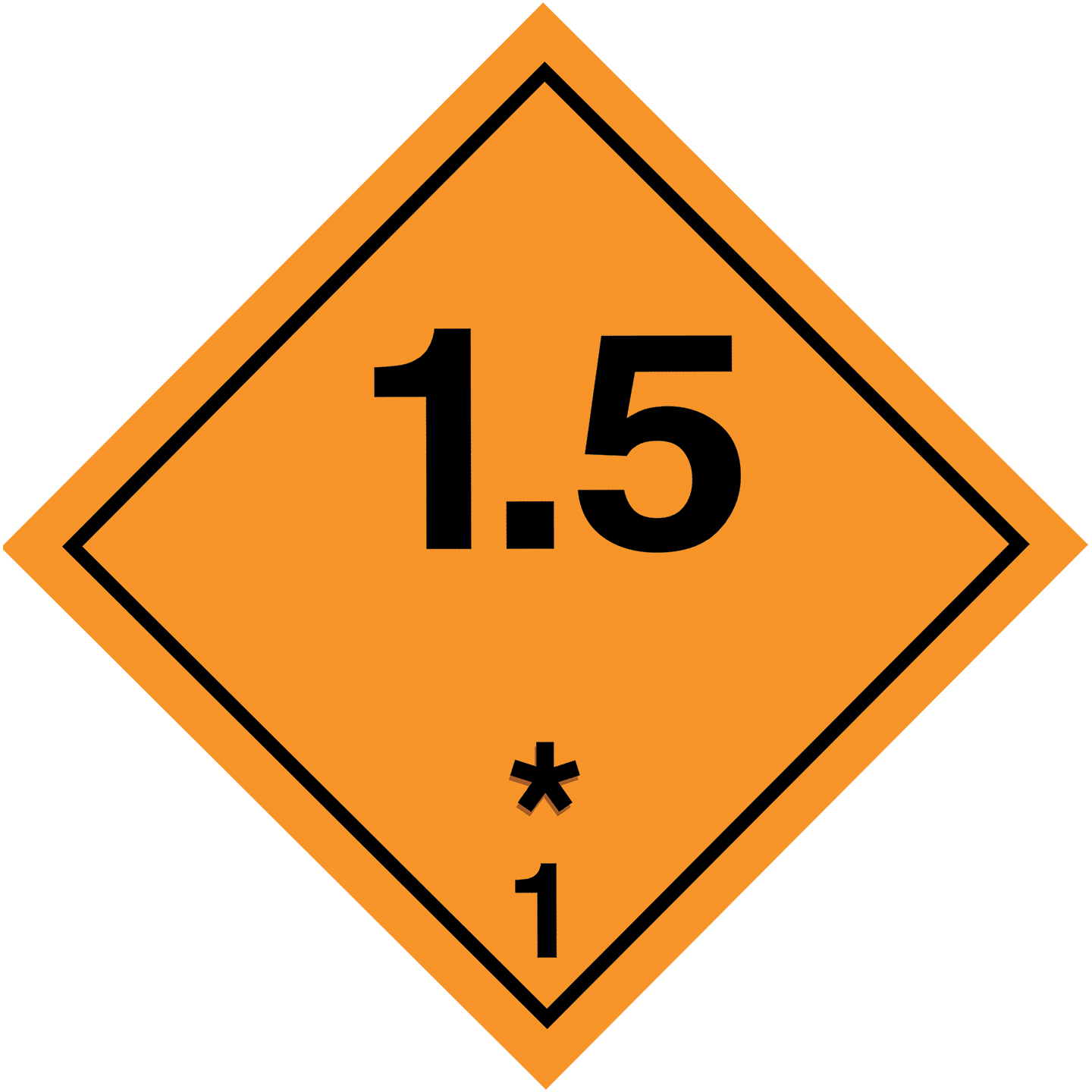
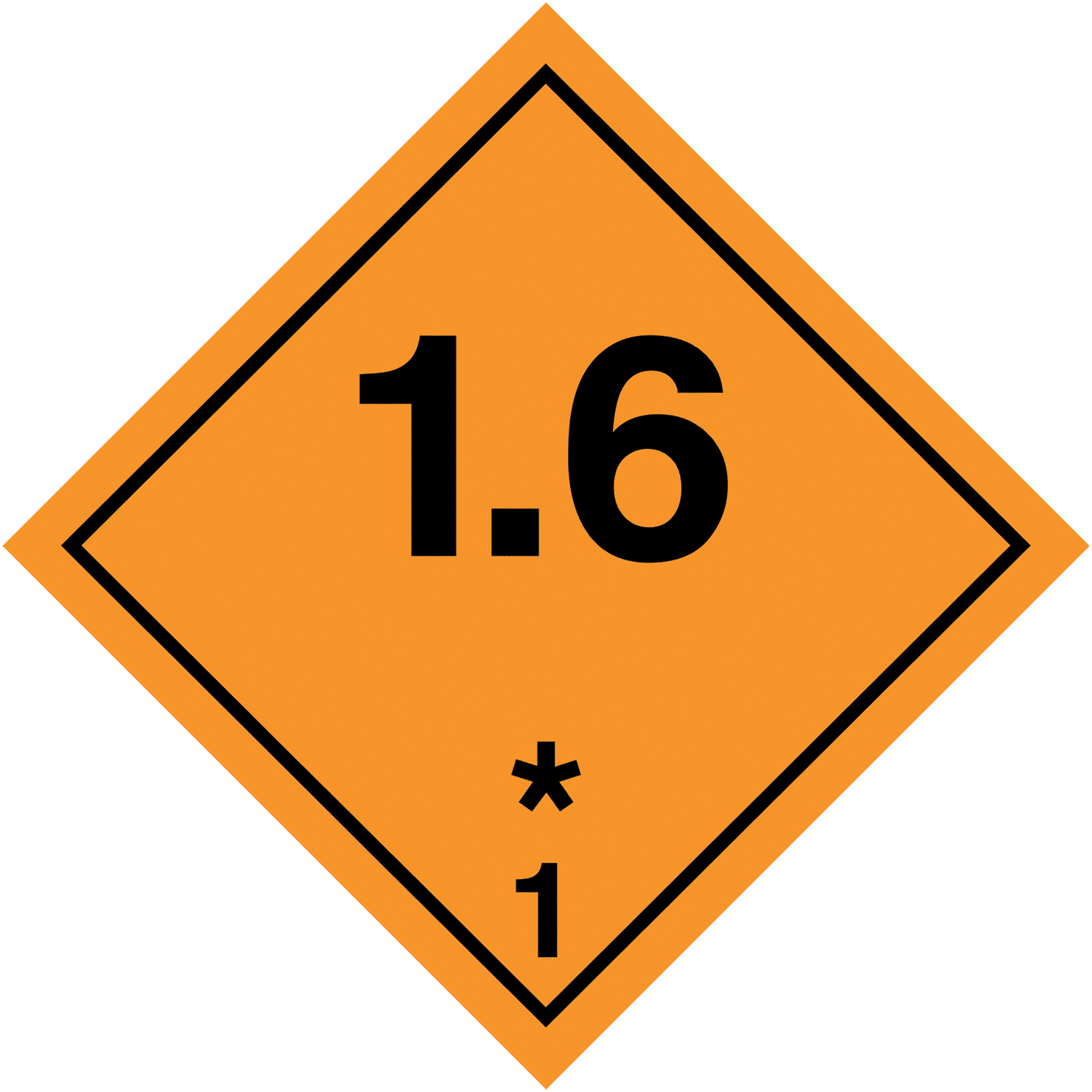
Explosive substances and objects |
| 2 |
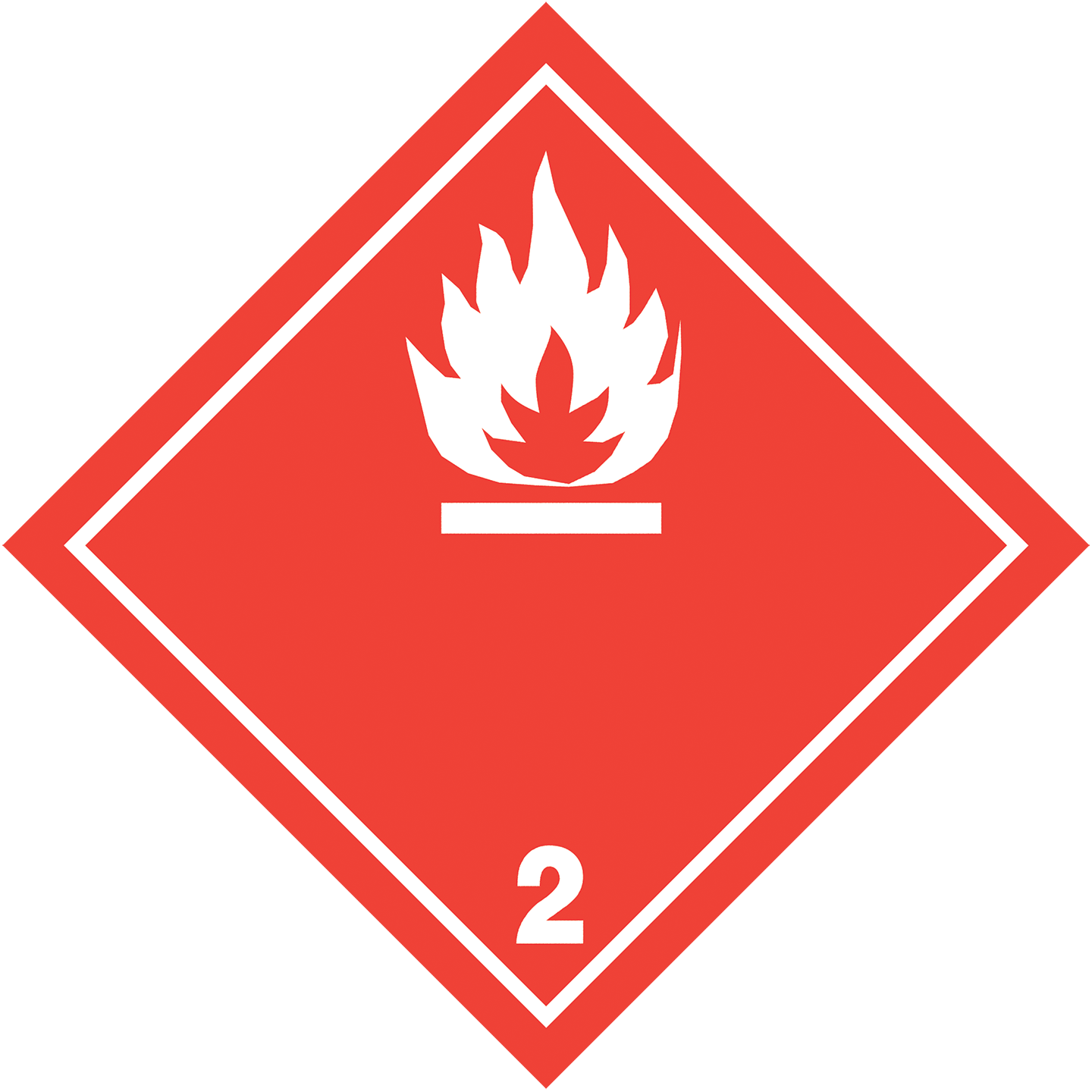
Gases |
| 3 |
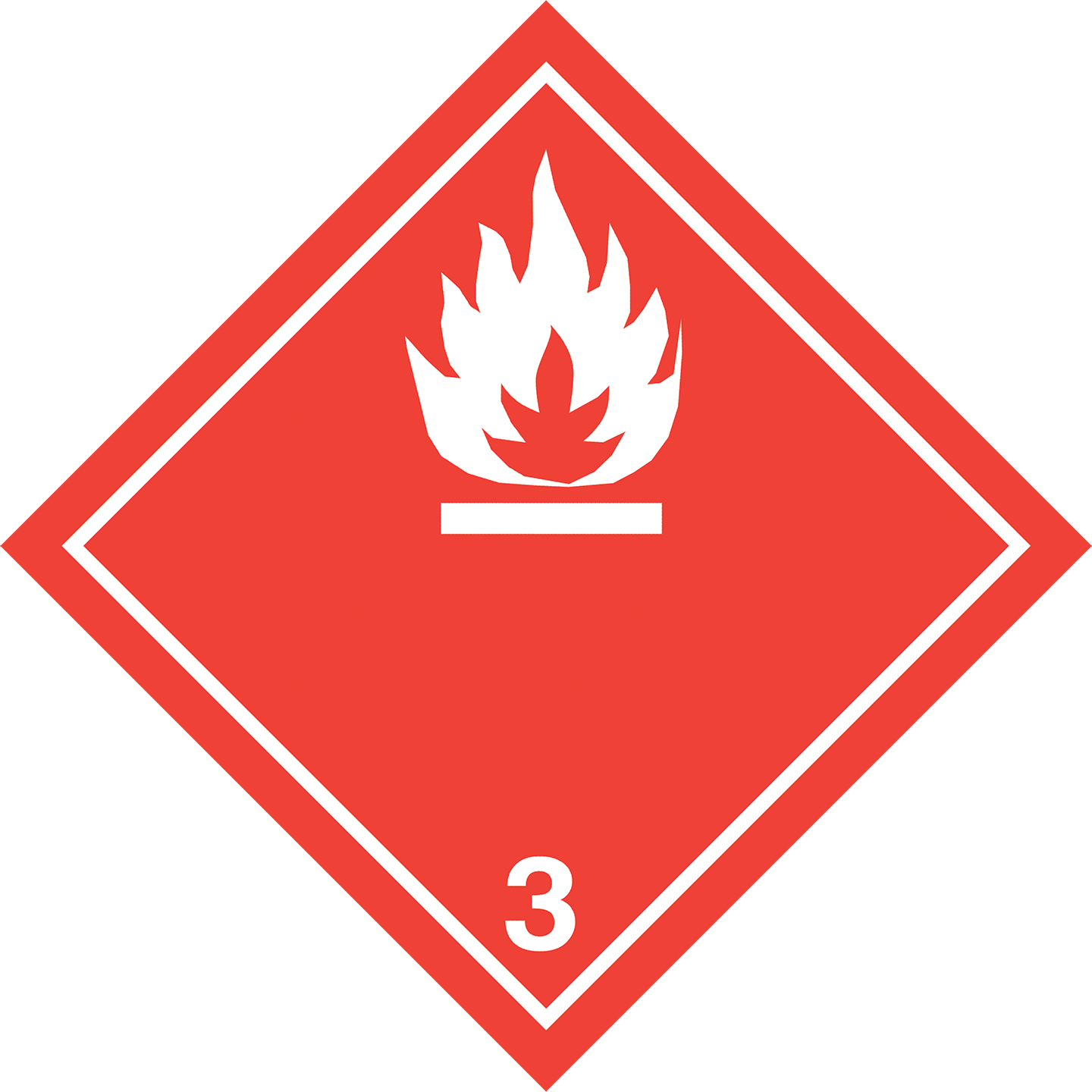
Flammable liquids |
| 4.1 |
Flammable solids |
| 4.2 |
Self-igniting substances |
| 4.3 |
Substances which evolve flammable gas on contact with water |
| 5.1 |
Oxidizing substances |
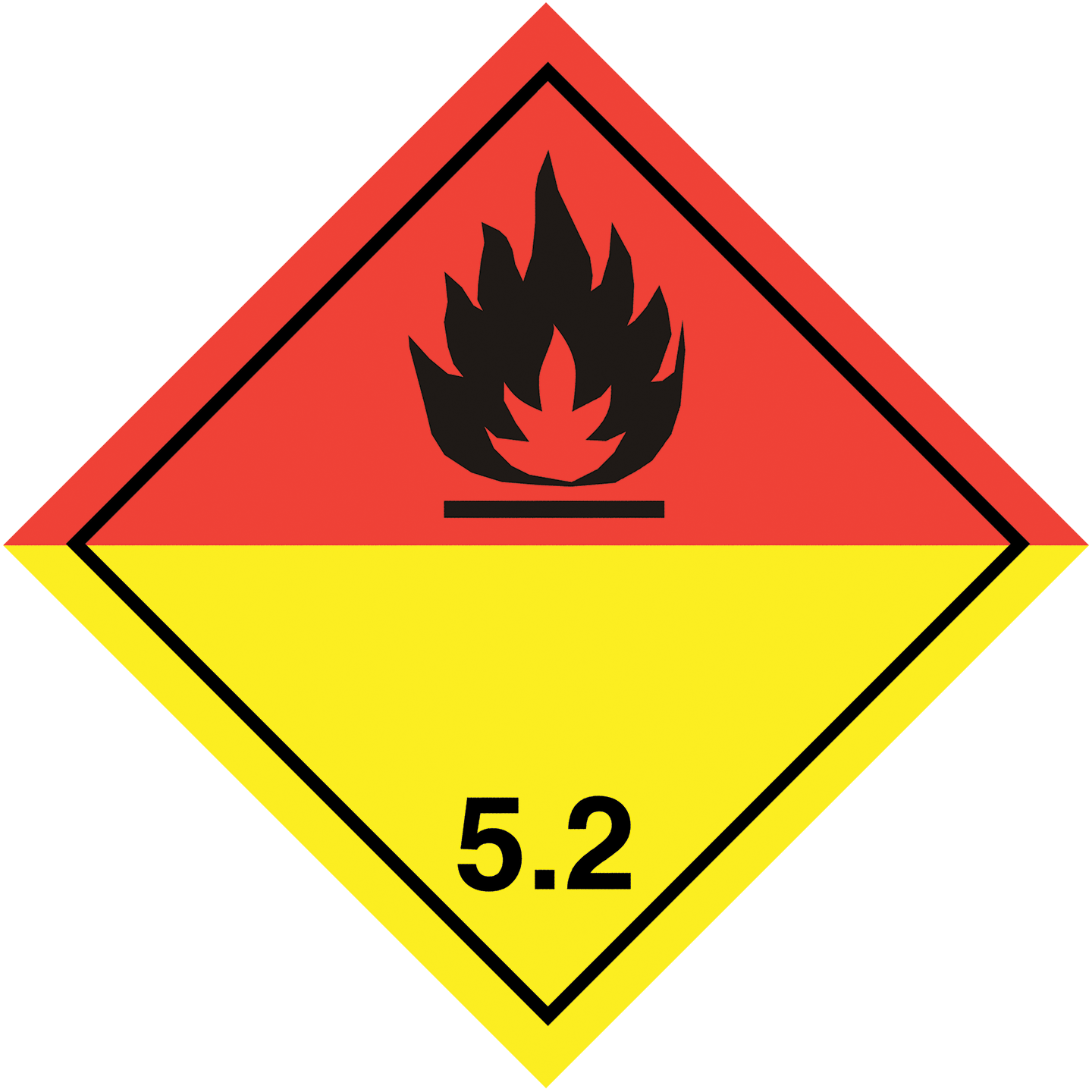
| 5.2 |
Organic peroxides |
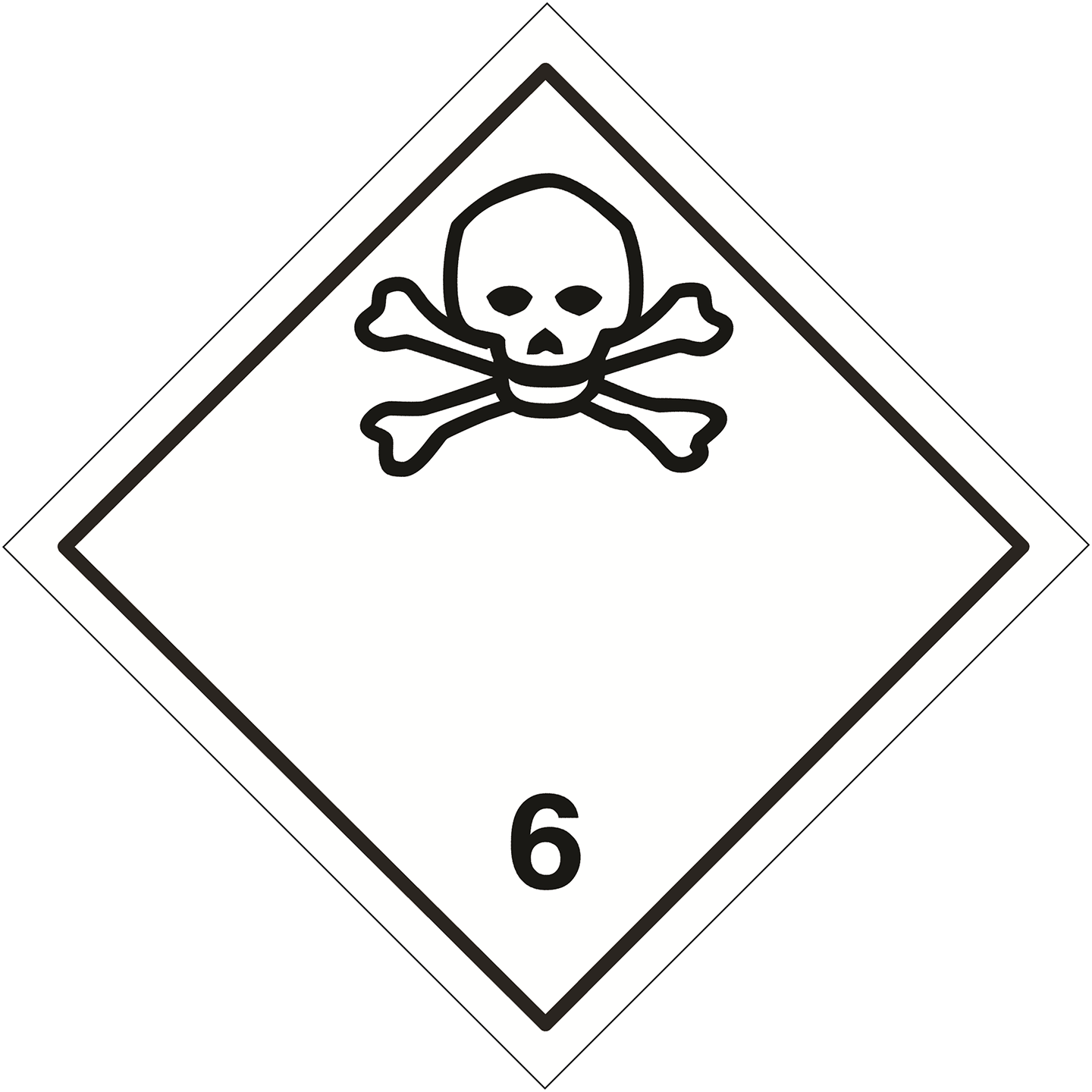
| 6.1 |
Toxic substances |
| 6.2 |
Infectious substances |
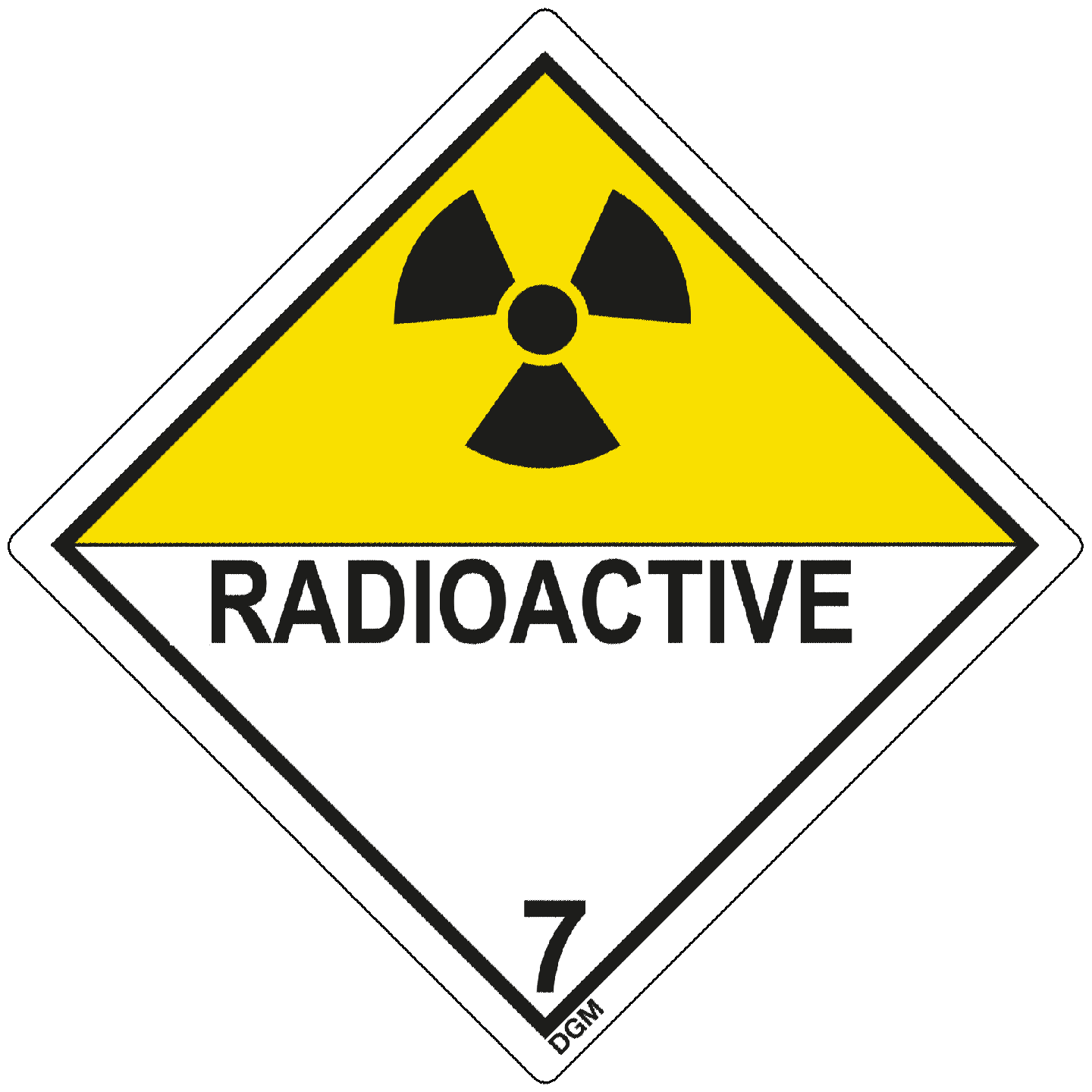
| 7 |
Radioactive substances |
| 8 |
Corrosive substances |
| 9 |
Other dangerous substances and objects |
Within the different hazard classes there are criteria for determining the degree of hazard within the hazard class. For classes 3, 4, 5.1, 6.1, 8 and 9, a system of packing groups according to the following model is applied for this purpose:
- Packing group I Very dangerous
- Packing group II Dangerous
- Packing group III Less dangerous
Identification with UN number and shipping name
Each substance or object that is classified must be assigned a so-called UN number (a four-digit number) and an official shipping name (Proper Shipping Name). Some well-known substances and objects have been assigned unique names (e.g. GASOLINE), while many other substances and mixtures of substances fall under so-called collective names (e.g. ALCOHOLS, NOS).
For hazardous substances, a safety data sheet (SDS) is required in which the transport classification is stated in section 14.
If you have a UN number or a name, you can get more information for your substance or object on the "ADR checklist".